
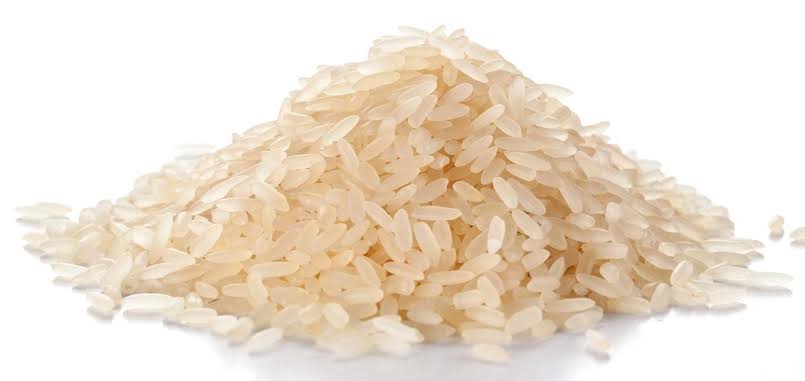
Description
Rice is one of the most important staple foods in the world, widely consumed by more than half of the global population. It is a cereal grain obtained from the seeds of the grass species Oryza sativa (Asian rice) or Oryza glaberrima (African rice). The grain serves as a vital source of carbohydrates, providing essential energy and nutrients for human diets.
Rice comes in various types and varieties, including long-grain, medium-grain, and short-grain rice, each differing in texture, flavor, and culinary uses. Common varieties include parboiled rice, white rice, brown rice, jasmine rice, basmati rice, and glutinous (sticky) rice.
In processing, rice may be milled or polished to remove the husk, bran, and germ layers, producing white rice with a longer shelf life, while brown rice retains more natural nutrients and fiber.
Nutritionally, rice is rich in carbohydrates, low in fat, and naturally gluten-free. It contains small amounts of protein and essential minerals such as magnesium, phosphorus, and potassium.
Rice is cultivated in diverse climates and regions, particularly in Asia, Africa, and parts of South America. It is grown in both irrigated and rain-fed conditions, often in paddy fields that ensure proper water management and yield.
Globally, rice is not only a dietary staple but also a major agricultural commodity, contributing significantly to food security, trade, and cultural cuisines.
Reviews
There are no reviews yet.