
Description
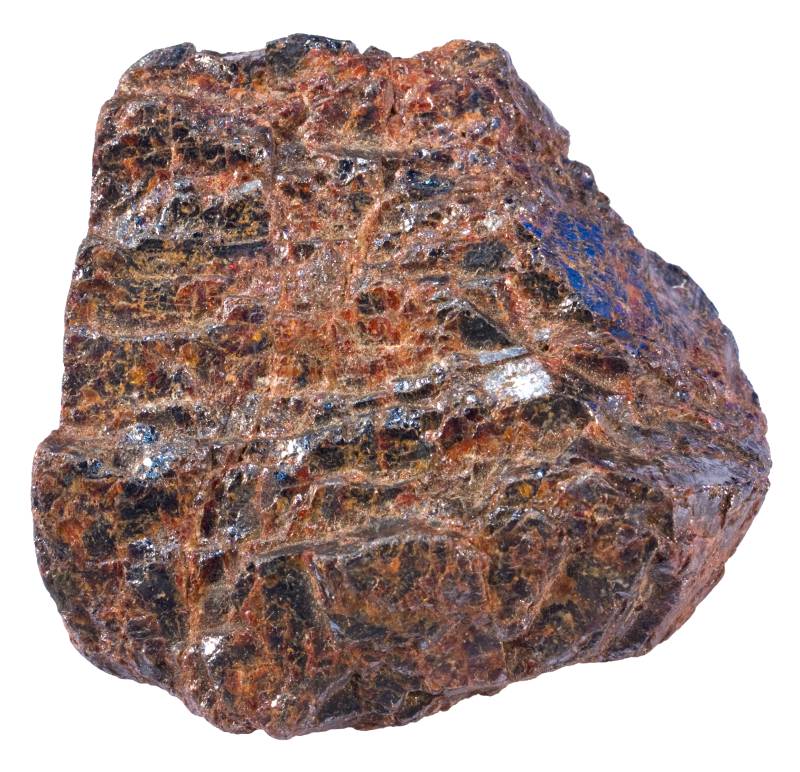
Rutile is a naturally occurring mineral composed primarily of titanium dioxide (TiO₂). It is one of the most important sources of titanium, a metal known for its exceptional strength, light weight, and resistance to corrosion. Rutile typically appears as reddish-brown, golden-yellow, or metallic black crystals with a brilliant luster and high density.
This ore is commonly found in metamorphic and igneous rocks as well as in alluvial deposits, often associated with minerals such as ilmenite, zircon, and quartz. It occurs in both hard rock and beach sand deposits and is mined extensively for its industrial applications.
Chemical Formula: TiO₂
Specific Gravity: 4.2 – 4.3
Hardness (Mohs): 6.0 – 6.5
Color: Reddish-brown, black, or golden-yellow
Crystal System: Tetragonal
Uses and Applications:
Titanium Metal Production: Rutile is the primary source of titanium metal used in aerospace, automotive, and marine industries.
Pigment Industry: Finely processed rutile is used to produce high-grade white pigments for paints, plastics, and paper due to its brightness and opacity.
Welding Electrodes: Rutile is a key ingredient in coating welding rods, improving arc stability and slag removal.
Optical and Gemstone Use: Transparent rutile crystals are sometimes cut as gemstones or studied for their optical properties.
Export Quality:
High-grade rutile ore typically contains 90–95% TiO₂ and is traded globally, with major deposits found in Australia, Nigeria, Sierra Leone, South Africa, and India.
Reviews
There are no reviews yet.