Description
Energy power refers to the capacity to generate, transmit, and utilize various forms of energy to perform work or produce electricity for industrial, commercial, and domestic applications. It is the foundation of modern development, driving economic growth, technological advancement, and improved living standards.
Energy power can be derived from different sources, broadly classified into renewable and non-renewable energy:
1. Renewable Energy Sources:
These are naturally replenished and environmentally friendly sources of power, including:
Solar Energy: Harnessed from sunlight through photovoltaic cells and solar panels.
Wind Energy: Generated by converting wind motion into mechanical power using wind turbines.
Hydropower: Produced by the movement of water through dams or flowing rivers.
Biomass Energy: Derived from organic materials such as agricultural waste and wood.
Geothermal Energy: Extracted from the Earth’s internal heat.
2. Non-Renewable Energy Sources:
These sources are finite and mainly consist of fossil fuels such as:
Coal: Burned to generate steam power and electricity.
Crude Oil and Petroleum Products: Used for transportation, heating, and electricity generation.
Natural Gas: A cleaner fossil fuel used in electricity generation and industrial processes.
Nuclear Energy: Produced from the fission of uranium or plutonium atoms.
Applications:
Energy power is vital for:
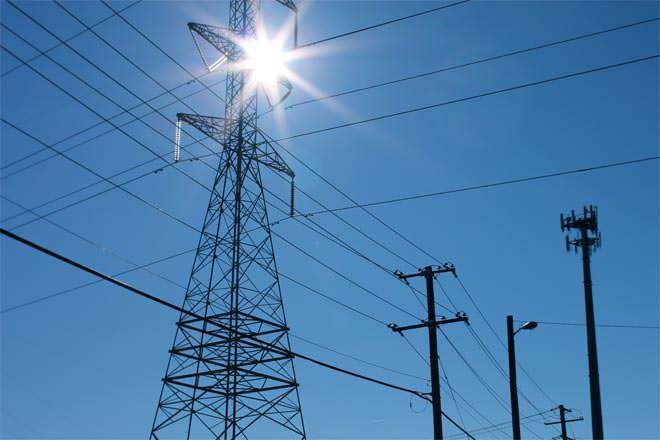
Electricity generation and transmission.
Industrial manufacturing and processing.
Transportation systems (fuel and electric mobility).
Domestic heating, cooling, and lighting.
Technological and infrastructural development.
Conclusion:
The future of energy power lies in the transition to clean, renewable, and sustainable energy systems to ensure environmental protection, energy security, and global economic stability.
Reviews
There are no reviews yet.