
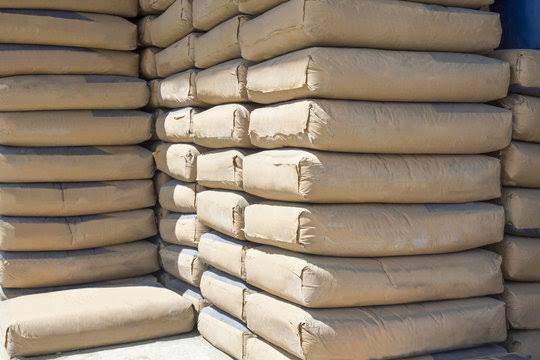
Description
Cement is a finely ground, inorganic material that, when mixed with water, forms a paste that sets and hardens through chemical reactions. It serves as the essential binding agent in concrete, mortar, and grout, making it one of the most important construction materials in the world.
Composition:
Cement is primarily composed of limestone (calcium carbonate), clay or shale (silica, alumina, and iron oxide), and minor additives. These materials are heated in a kiln to form clinker, which is then ground to a fine powder and mixed with gypsum to control the setting time.
Types of Cement:
1. Ordinary Portland Cement (OPC): The most commonly used type, suitable for general construction work.
2. Portland Pozzolana Cement (PPC): Contains pozzolanic materials like fly ash or volcanic ash, offering better durability and resistance to chemical attacks.
3. Rapid Hardening Cement: Gains strength quickly, ideal for urgent construction works.
4. Sulphate Resisting Cement: Used in areas exposed to sulphate-rich environments.
5. White Cement: A high-purity form of cement used for decorative and architectural finishes.
Properties:
Grey or white fine powder
High compressive strength after hardening
Good binding and adhesive characteristics
Excellent durability and resistance to environmental conditions
Applications:
Building and civil engineering construction
Concrete production for structural components
Masonry, plastering, and flooring works
Precast and prefabricated building materials
Conclusion:
Cement is the backbone of modern infrastructure. Its versatility, strength, and durability make it indispensable for construction projects ranging from small residential buildings to massive industrial and civil engineering structures.
Reviews
There are no reviews yet.