
Description
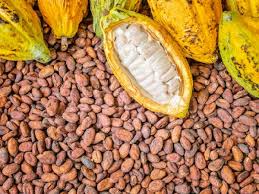
Cocoa beans are the dried and fully fermented seeds extracted from the fruit of the Theobroma cacao tree, native to the tropical regions of West Africa, South America, and Southeast Asia. They are the primary raw material used in the production of cocoa mass, cocoa butter, cocoa powder, and chocolate products.
Physical Characteristics:
- Shape: Oval or oblong
- Size: 2–3 cm long on average
- Color: Varies from light brown to dark brown depending on variety and fermentation level
- Odor: Distinctively rich, chocolate-like aroma when properly fermented
- Texture: Dry and brittle when cured
Main Varieties:
- Forastero: The most common and robust variety, accounting for about 80–85% of global production. It is known for its strong flavor and high yield.
- Criollo: A rare, fine-flavored variety prized for its delicate aroma and mild taste, often used in premium chocolate.
- Trinitario: A hybrid of Criollo and Forastero, combining good flavor quality with high productivity.
Quality Indicators:
Proper fermentation (5–7 days) for full flavor development
Moisture content: Not more than 7%
Bean count: Typically 90–100 beans per 100g
Free from mold, pests, and foreign matter
Uses:
- Production of chocolate, cocoa butter, and cocoa powder
- Pharmaceutical and cosmetic industries (due to high antioxidant and fatty acid content)
- Nutritional supplements rich in magnesium, flavonoids, and theobromine
Export Packaging:
- Typically packed in jute or polypropylene bags of 60–65 kg net weight
- Stored in cool, dry, and well-ventilated conditions to maintain quality
Hu by 6
Major Producing Countries:
Côte d’Ivoire, Ghana, Nigeria, Cameroon, Indonesia, Brazil, and Ecuador.
Reviews
There are no reviews yet.