
Description
Groundnut (Arachis hypogaea), commonly known as peanut, is an annual leguminous crop cultivated mainly for its edible seeds, which are rich in oil and protein. The plant grows close to the ground, typically reaching a height of 30–50 cm, and develops small yellow flowers that self-pollinate. After fertilization, the flower stalk elongates and bends toward the soil, pushing the developing pods underground where they mature — a unique characteristic among major crops.
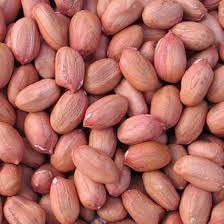
Groundnut pods are usually 3–5 cm long, containing one to four seeds (kernels) encased in a rough, netted shell. The kernels vary in color from light tan to reddish-brown depending on the variety. Groundnuts are valued for their high oil content (40–50%) and protein (25–30%), making them important in both human nutrition and industrial applications.
They are widely used in the production of cooking oil, peanut butter, confectionery products, and animal feed. Crop residues and by-products, such as groundnut cake, are also excellent sources of livestock feed. Groundnut cultivation thrives in warm tropical and subtropical regions, particularly in well-drained sandy loam soils with moderate rainfall. Major producers include Nigeria, India, China, the United States, and Sudan.
Reviews
There are no reviews yet.