
Description
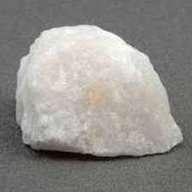
Quartz ore is a naturally occurring mineral composed primarily of silicon dioxide (SiO₂). It is one of the most abundant and widely distributed minerals in the Earth’s crust. Quartz occurs in a variety of forms, including clear (rock crystal), milky, smoky, rose, and amethyst varieties, depending on impurities and geological conditions during formation.
Physical Properties:
Color: Typically colorless or white, but may appear in shades of pink, purple, gray, yellow, or brown.
Luster: Vitreous (glassy)
Hardness: 7 on the Mohs scale
Specific Gravity: 2.65
Transparency: Transparent to translucent
Fracture: Conchoidal (smooth, curved surfaces)
Chemical Composition:
Formula: SiO₂ (Silicon Dioxide)
Purity: High-grade quartz ores may contain over 99% silica.
Industrial Uses:
Quartz ore is a vital raw material in numerous industries due to its durability, heat resistance, and chemical inertness. It is used in:
Glass manufacturing (bottles, windows, optical glass)
Electronics and semiconductors (as a silicon source)
Ceramics and refractories
Foundry molds and abrasives
Construction materials (aggregate and decorative stones)
Solar panels (high-purity quartz for photovoltaic applications)
Occurrence:
Quartz ore is commonly found in igneous, metamorphic, and sedimentary rocks. Major deposits occur in countries such as Brazil, India, China, the United States, and parts of Africa.
Summary:
Quartz ore is an essential industrial mineral known for its high silica content, hardness, and chemical stability, making it indispensable in modern manufacturing, construction, and technology sectors.
Reviews
There are no reviews yet.